On Air and On Call: The Community Radio Wish Lines Warming Up UK Winter
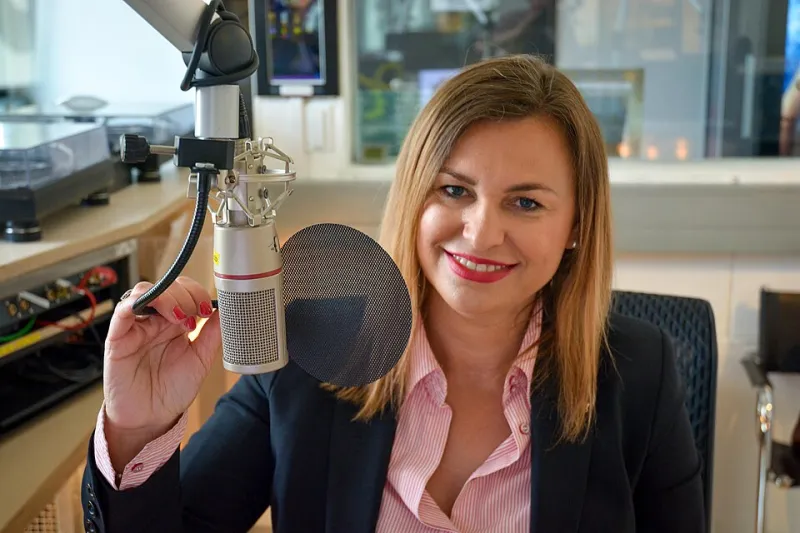
Photo: Radiofabrik - Community Media Association Salzburg from Salzburg, Austria, CC BY 2.0, via Wikimedia Commons
On a wet Tuesday in November, a community radio studio can feel like the warmest room in town. The presenter is on air, the phone lines are open, and the request is not for a song or a competition. It is for a lift to a hospital appointment. Or a spare ticket to a panto. Or a birthday shout-out for someone who has had a rough year. This winter, a number of UK stations are turning that simple idea into a Wish Line: one evening, one modest wish per caller, and a local network of volunteers and businesses ready to help.
The appeal is obvious. Radio is already intimate. Listeners let presenters into their kitchens and cars. A Wish Line takes that familiarity and points it at something practical. It is not a telethon. It is not a crisis line. It is a small, time-limited experiment in local matchmaking, with a microphone in the middle.
What a Wish Line sounds like
The format is usually simple. A station sets aside an hour or two, often in the early evening. The presenter explains the rules: one small wish, no cash requests, nothing that needs emergency help. Callers can ring in, send a voice note or fill in a form beforehand. A producer listens off air, takes details, and passes the wish to a volunteer matcher in another room.
On air, the wishes are deliberately modest. One caller asks whether anyone can give her mum a lift to a clinic on the other side of town. A local taxi firm offers to do it. Another asks for a birthday shout-out for a friend who has been unwell. The presenter reads it out, and half a dozen listeners send messages. A third has a spare ticket for a Christmas concert and would like it to go to someone who would not otherwise afford it. A family is matched before the show ends.
The best moments are not the big reveals. They are the small confirmations. The taxi firm saying it can do the morning slot. The listener who says she has a spare seat and lives two streets away. The presenter saying, quite casually, that the wish has been met. Radio is good at that: it can make a tiny thing feel like it belongs to everyone.
The bit that happens off air
The warmth of a Wish Line depends on the unglamorous work behind it. A station cannot simply read out a vulnerable person's address and hope for the best. Safeguarding is not a dampener on the idea. It is what makes the idea safe enough to repeat.
Most stations running this kind of feature will have a designated safeguarding lead. Calls are logged. Full names and addresses are not broadcast. Consent is checked before a wish is shared on air, and again before a volunteer is put in touch. If a caller asks for something that sounds like an emergency, the producer signposts them to the right service rather than promising a radio solution.
Volunteers who will meet a listener in person should be recruited through a recognised organisation where possible, with the usual checks. A lift is not just a lift if it involves a stranger and a closed car door. The station needs a two-person callback system, a written record of who is doing what, and a clear way to say no. Cash requests are usually out of scope. So are medical details beyond what is needed to arrange the practical help.
None of this makes for great radio. It makes for responsible radio, which is better.
How to run a one-night Wish Line before Christmas
If a station wants to try this in 2026, the safest route is to start small. One evening. One presenter. Eight to twelve wishes. A partner or two. A follow-up plan.
Here is a simple shape that works:
- Pick a date and a slot. Early evening is good. People are home, and the station can catch the after-work audience.
- Find partners before you publicise. A volunteer centre, a local charity, a taxi firm, a bakery, a theatre, a community group. Ask what they can offer, not what they can pay for.
- Decide what is out of scope. No cash, no emergency help, no requests that involve children without a proper organisation involved, no medical information on air.
- Use a short form and a phone line. Ask for the wish, the caller's first name, a safe contact number and whether they consent to the wish being mentioned on air.
- Put a producer on the phones and a matcher off air. The presenter should not be trying to solve the wish live while also reading the weather.
- Keep a log. Every wish gets a number, a status and a named person responsible. This is dull and essential.
- Follow up. A wish is not met until the lift has happened, the ticket has been collected or the shout-out has been arranged. Ring the caller back afterwards.
- Debrief. What worked? What felt risky? What should be changed next time?
The budget can be tiny. A community station may already have phone lines and a volunteer pool. The main cost is time. A local business might donate a raffle prize, but the best Wish Lines are not built on prizes. They are built on favours.
Why small wishes work on local radio
There is a reason this format suits community radio rather than national broadcasting. Local stations know the geography. They know which bus goes where, which pharmacy is open late, which panto has spare seats. They also know the people who might help.
For listeners, the appeal is that the wishes are achievable. A national appeal can make people feel small. A local Wish Line makes people feel useful. You do not need to solve a housing crisis to offer a lift. You just need a car and an hour.
There is also something festive about it, without being forced. Christmas is a season of small kindnesses as much as big ones. A Wish Line fits neatly into that mood. It can sit alongside the toy appeals and the food collections without competing with them.
And for the station, it is a way of being part of the place it serves. Not just a frequency. A noticeboard with a heartbeat.
If you are thinking of calling in
Keep it simple and specific. A lift to a named appointment. A spare ticket. A birthday shout-out. A request for a volunteer to help with a small practical task. Be ready to give a safe contact number, and be clear about what you are comfortable having read out on air.
Do not use a Wish Line for an emergency. If someone is at risk, call the appropriate service. Do not ask for cash. Do not share more personal information than the station needs. A good Wish Line is a nice extra, not a replacement for proper support.
Start with one hour
The stations doing this well are not trying to fix everything. They are trying to make one evening a little lighter for a handful of people, and to show what a local network can do when it is asked a direct question.
If you run a community station and have been wondering whether a Wish Line could work, start with one hour and one partner. See what happens. You may find that the phone lines are busier than you expected, and that the town is kinder than you thought.
This winter, that is a good thing to find out.