A Song at the Door: The Volunteer Choirs Showing Up for Strangers’ Milestones

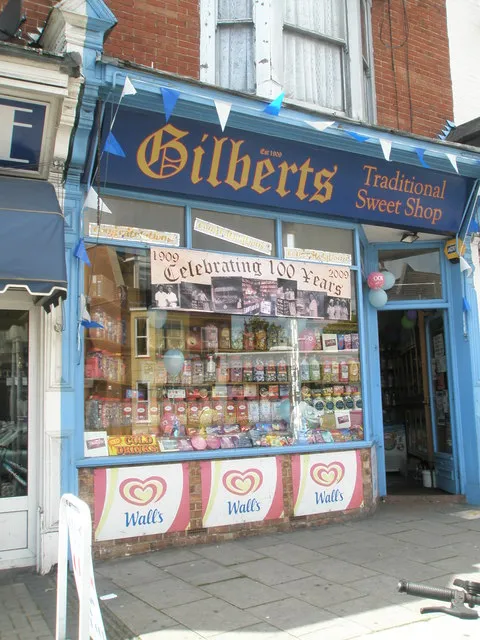
Photo: Sport the library, CC BY-SA 3.0, via Wikimedia Commons
On a Saturday afternoon in Portsmouth, a street goes quiet for a moment. Then six singers in mismatched scarves arrange themselves on a doorstep and launch into a wobbly, joyful version of ‘Happy Birthday’. The door opens. An 82-year-old woman puts her hand to her mouth. She had told her carer that she did not want a fuss. The choir had other ideas.
This is the birthday choir: a loose UK movement of volunteer singers who turn up for strangers’ milestones. They are not professional acts. They are community choirs, church groups, workplace singalongs and ad hoc bands of neighbours who have decided that a milestone should not pass in silence. In 2026, with loneliness still a stubborn feature of UK life, these small groups are quietly rewriting what celebration looks like.
The singers at the door
The groups go by different names. There are doorstep choirs, milestone singers, birthday harmonisers and at least one group calling itself the Choir of Small Occasions. Some are attached to a community centre. Others are spin-offs from a longer-standing choir. One Portsmouth group, which asks to be known simply as the Doorstep Singers, started in 2024 after a member sang to her neighbour through a care home window during a family emergency. ‘We realised we had a repertoire and a free Saturday,’ says one of the founders. ‘That was the whole business plan.’
Most groups have between six and twenty singers. They rehearse monthly, often in a pub back room or a church hall, and keep a short set: ‘Happy Birthday’, ‘Congratulations’, a favourite hymn, a pop song from the requester’s youth. They do not charge. Some ask for a donation towards travel or sheet music; most simply want a lift and a cup of tea.
How a request reaches them
The requests rarely come from the birthday person directly. They arrive through a neighbour, a carer, a social prescriber, a care home activities coordinator or a family member who lives far away. A group will ask a few practical questions: date, time, location, access needs, whether the milestone is a surprise, and whether the person is happy to have visitors. Consent matters. So does safeguarding.
Most groups follow a simple rule: two singers attend the first visit, especially if the person is older or vulnerable. Some have volunteers with DBS checks through their partner organisation. They risk-assess the doorstep, keep visits short, and never post a photo without permission. The best requests are specific. ‘She loves Vera Lynn and she will be 90’ is easier to grant than ‘make her day’.
The milestones themselves are not always birthdays. Groups have marked wedding anniversaries, the first anniversary of a bereavement, a retirement, a cancer treatment ending, a new job after long-term unemployment. One Cardiff choir sang outside a supported housing scheme for a resident who had just moved in after years of sofa-surfing. ‘It was not a birthday,’ says the organiser. ‘It was a you-live-here-now song.’
The quiet milestones
There is something particularly UK about the awkwardness these choirs cut through. We are a nation of people who say ‘you shouldn’t have’ while secretly hoping someone will. A birthday choir gives permission for a fuss without requiring the person to organise it. The singers are the excuse. The song is the gift.
It also gives the singers something. Most volunteers describe the same feeling: the moment the door opens and the person’s face changes. ‘You cannot buy that,’ says a retired teacher who sings with a group in Norfolk. ‘You turn up thinking you are doing a good deed, and then you are the one who goes home buzzing.’
How to start something similar locally
If there is no birthday choir near you, the good news is that the barrier to entry is low. Here is a practical route.
- Find three or four people who can hold a tune and a diary. A choir of six is plenty to start.
- Pick a partner. A care home, community centre, housing association or local volunteer centre can refer requests and advise on safeguarding.
- Rehearse four songs. Keep it short and learnable. A birthday song, a request-friendly standard, a hymn or pop song, and a closing number.
- Agree boundaries. No cold visits, no solo doorstep calls, no photos without consent, and a clear policy on travel costs.
- Start with one doorstep. Then decide whether you want to do it monthly, seasonally or only for special requests.
The bit that stays with you
The birthday choir is not a solution to loneliness, and it does not pretend to be. A song on a doorstep is a small thing. But small things are how most of us get through. A stranger remembering your name, a group of people willing to be slightly awkward in public, a moment that says: this milestone mattered.
If you know someone who might need a song, start with their carer, their local community centre or your nearest volunteer centre. If you want to sing, put a note in a local Facebook group and see who replies. The odds are good that someone nearby has been waiting for an excuse to harmonise.