One Envelope on Every Table: The UK Weddings Choosing a Shared Wish Over a Gift List
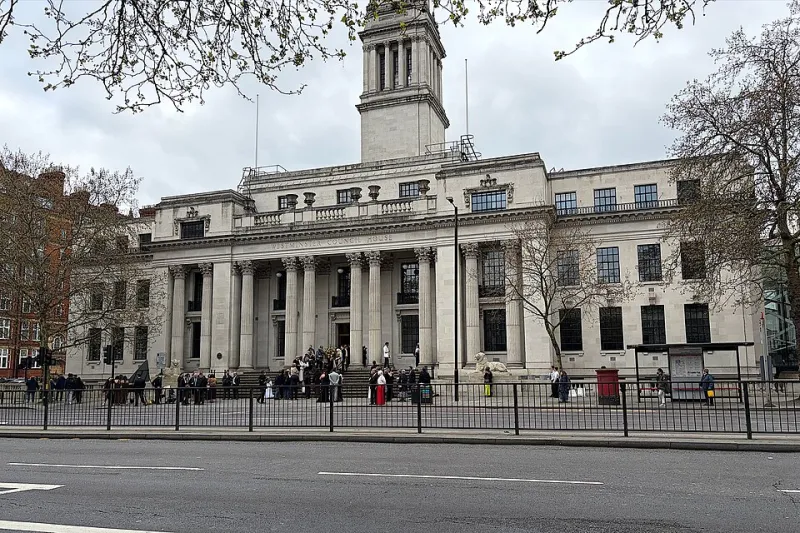
Photo: Robin Stott , CC BY-SA 2.0, via Wikimedia Commons
Wedding gift lists have long been a practical bargain: you buy the couple a decent set of knives, they feed you a nice meal, and everyone goes home happy. But a quieter change is taking place at UK weddings in 2026. Rather than choosing between a traditional registry and a honeymoon fund, some couples are putting one community wish at the centre of the day.
It is not a rejection of gifts. Most of the couples doing this still want a card, a shared meal and a bit of confetti. What they are rethinking is the pile of useful-but-unneeded objects that often follows a wedding. Instead of another set of plates, they are asking guests to help make one specific thing happen.
The Leeds wedding that asked for a van
Maya and Tom married in Leeds in September 2026. On their invitations, beneath the timings and the map, they added one line: 'If you would like to mark our day, help us fund a refrigerated van for our local food bank.'
It was not a grand campaign. There was no hard sell, no target thermometer on a screen. Guests who wanted to take part gave what they might have spent on a gift, and the couple passed the donations to the food bank. The van itself was second-hand, but the difference was immediate: fresh milk, fruit and vegetables could reach more of the community groups the food bank supports.
'We wanted one thing people could understand in a sentence,' Maya says. 'A gift list is lovely, but we already had a kettle. This felt like a way to include everyone in something useful without making the wedding feel like a fundraising dinner.'
The food bank's coordinator, Ruth, says the clarity helped. 'A single wish gives people a story to hold on to,' she explains. 'They can picture the van. They know what it does. That is often more motivating than a general request for donations, especially for guests who have never given to a food bank before.'
Birmingham: a short break, not a set of glasses
Ade and Priya, who married in Birmingham in spring 2026, took a similar idea in a different direction. They asked guests to contribute towards one carer's short break through a local carers' organisation.
The couple had seen how much unpaid caring can take out of a family. Instead of a guest book, they left a stack of postcards explaining the wish. Guests could add a message, make a contribution if they wished, and leave it at that. The organisation matched the funding to a carer named Denise, who used the break to visit her sister in Cornwall.
'It was two nights in a seaside B&B,' Priya says. 'Not a luxury holiday. Just enough space to breathe. That felt like a real thing to give, rather than another set of wine glasses we would have to store.'
The carers' group says small, named wishes can be easier for donors to grasp than a broad appeal. A short break has a beginning and an end. It can be explained in a few lines. It also gives the couple something to report back to guests afterwards — a photo of a seaside bench, a thank-you note, a quiet story about what the break made possible.
Pembrokeshire: one wish for the village
Elin and Jade married in a field in Pembrokeshire in August 2026. Their celebration was deliberately low-key: borrowed bunting, a local choir, and a long table under a marquee. Their shared wish was for the village community larder's summer holiday lunch club.
On each table they placed a small envelope with a simple line: 'One wish: help us cover six weeks of holiday lunches for local children.' Guests could pop in what they liked. Some gave coins. Some gave notes. Some wrote a note instead and kept their money for the bar.
'We did not want anyone to feel priced out of our wedding,' Elin says. 'The envelope was optional. The point was to say: if you are going to spend money on us, here is something we actually care about.'
The larder's volunteer lead says the wedding funding covered ingredients, basic supplies and a few extra hours for a paid coordinator. It also brought new volunteers through the door, because guests who had never used the larder suddenly had a reason to ask what it needed.
Why one wish can travel further than a stack of plates
Three weddings, three very different wishes, but the same pattern keeps appearing. The strongest shared wishes are specific. They are modest enough to explain quickly and useful enough to be believed. And they are always optional.
Charities and community groups say unrestricted donations still matter enormously. A food bank cannot run on van funds alone. But a named wish can unlock giving from people who would never set up a direct debit or sign up to a monthly appeal. It gives a wedding guest a simple answer to the question: what would actually help?
There is a practical side, too. Couples who have done it recommend choosing a registered charity or established community group, asking for approved wording, and keeping the process simple. A single donations page is easier than handling cash on the day. A short update afterwards is more meaningful than a grand total. And it is important to tell guests clearly that a card is just as welcome as a contribution.
The wedding wish exchange is not a competition to see who can be the most virtuous. It is a small shift in emphasis: from what the couple can accumulate to what the celebration can set in motion. Done gently, it leaves everyone with something better than another serving dish — a memory of a day that did one useful thing in the world.