The Basket With a Blank Line: The UK Streets Asking Before They Give
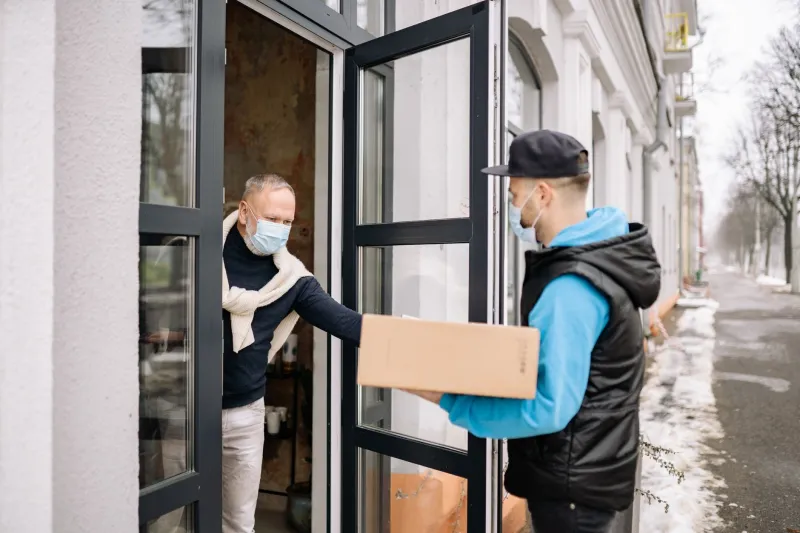
There is a certain kind of welcome that arrives before you have found the kettle. On new-build estates and old village lanes alike, a neighbour appears at the door with a basket, a smile, and a question that is slightly more useful than 'let us know if you need anything'.
The question is usually written on a small card tucked between the tea bags and the biscuits: What would actually help this week?
It is a small shift, but a meaningful one. Instead of guessing what a new household might want — a scented candle, a plant that will need watering, a bottle of something they may not drink — neighbours are handing over the basket and letting the new arrival fill in the blank.
The trouble with guessing
Moving house is a strange mix of admin and emotion. You know where the kettle is, roughly, but not where the nearest recycling centre is. You have a front door key but no idea which neighbour owns the wheelie bin that keeps drifting into your space. You have a takeaway menu from the previous owners and a vague sense that you should be grateful for it.
Traditional moving-in gifts are kind, but they are often guesses. A candle is lovely; a lift to the tip with the packaging mountain is life-changing. A houseplant is cheerful; a drill, borrowed for twenty minutes, is the difference between a shelf going up and a shelf living on the floor for six months.
The welcome basket that asks first does not reject the old rituals. It simply adds a line for the new resident to say what they need. Sometimes that is a pint of milk. Sometimes it is a recommendation for a decent chippy. Sometimes it is a spare hour with someone who knows how the boiler works.
The blank line that does the work
The etiquette is gentle. The basket is left at the door, not handed over with a clipboard. The card is optional. There is no obligation to reply, and no expectation that the new neighbour will knock on every door with a thank-you note.
In practice, the wish card tends to get used. One street in the Midlands — let us call it Marigold Close, because the real name is less important than the pattern — started with a single basket in 2024. A neighbour had moved in just before Christmas, and the usual tin of biscuits felt thin. So she added a card: 'If you need anything this week, write it here and pop it back through number 14. No pressure.'
The reply came back the same evening. It said: 'A lift to the tip on Saturday would be amazing. I have a car full of cardboard and no idea where to go.'
That was the beginning. The lift happened. The cardboard went. The next month, another household moved in, and the basket came out again, this time with a slightly expanded card.
What goes in a first-night basket
The best baskets are useful, low-cost, and easy to pass on. Think of it as a small kit for the first forty-eight hours, not a hamper for the neighbours to admire.
- A pint of milk and a box of tea bags. The basics that mean you do not have to find a shop on day one.
- A roll of bin bags and a spare loo roll. Unglamorous, genuinely welcome.
- A local takeaway menu, with one dish circled and a note: 'This one is reliable.'
- A small torch or a pack of batteries. New-build cupboards are dark, and the fuse box is a mystery.
- A card with the blank line, a pen, and a phone number for the street WhatsApp group.
- A promise, rather than a product: 'I can lend a drill', 'I can give you a lift to the tip', 'I can show you the shortcut to the park'.
The cost is modest. The thought is in the asking, not the spending. And because the basket is designed to be passed on, it does not become clutter. It becomes a small piece of street infrastructure.
From welcome basket to monthly wish swap
Marigold Close did not stop at moving-in day. By the spring of 2025, the basket had become a monthly ritual. On the first Sunday of each month, a different household leaves a basket in the communal porch area with a fresh card. Anyone can write a wish: a spare hour to help move a sofa, a recommendation for a plumber, a lift to the garden centre, a batch of someone's famous flapjack.
The rules are simple. Wishes must be small enough to grant in a week. No one is obliged to fulfil anything. If a wish goes unanswered, it quietly expires, and no one mentions it. The point is not to create a debt ledger. The point is to keep the door open.
It has changed the way the street works. People know who has a drill. People know who is happy to water plants. People know who makes a decent lasagne when someone has had a bad week. The basket is just the excuse.
A kinder way to arrive
Not every street will want a monthly wish swap. Some will stick to the moving-in basket, and that is plenty. The beauty of the idea is that it scales down as easily as it scales up. One neighbour, one card, one small question.
In a country where moving house can feel like a transaction between solicitors and removal firms, the welcome basket that asks first is a reminder that a street is not just a postcode. It is a set of small, practical kindnesses, offered without fuss. Moving-in day is a milestone worth marking, and the best marker is often a question rather than a gift.
So if you see a removal van on your road this autumn, you do not need to bake. You do not need to guess. You just need a basket, a pen, and a line that says: what would actually help?