Between the Leeks and the Runner Beans: The Allotments Quietly Granting Plot-Sized Wishes
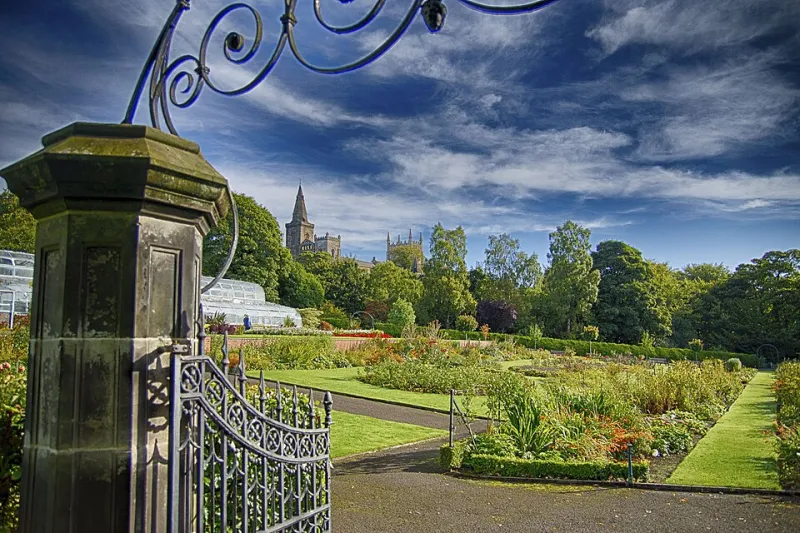
Photo: Dkardokas, CC BY-SA 3.0, via Wikimedia Commons
There is a particular sort of noticeboard that appears at the gate of many UK allotment sites. It is usually weather-beaten, sometimes held together with drawing pins and hope, and it carries the usual business: rent reminders, a warning about the water butt, a plea for someone to please trim the hedge by plot 14. But look a little closer and you will often find something else entirely. A handwritten card. A small request. A wish, scaled to the size of a garden.
The Note on the Gate
On one site it might read: does anyone have a spare hand to help me build a bed I can reach from a chair? On another: I have a bench going spare, free to a plot where someone might sit and think. Elsewhere: our family has just moved into a flat with no garden — would anyone have a few seeds and a spare trowel for a child who wants to grow something?
These are not grand gestures. They are plot-sized. And that is precisely what makes them work. An allotment society is not a charity, a council department or a formal support service. It is a loose collection of people who happen to share a field, a tap and a set of keys. But that looseness is its strength. When a wish is small enough to fit on a seed tray, it can be granted by a neighbour with a spare afternoon and a shed full of oddments.
What a Plot-Sized Wish Actually Looks Like
The requests that tend to land with allotment secretaries and site representatives are refreshingly concrete. A raised bed at waist height, built from scaffold boards, so someone who uses a wheelchair can plant, weed and water without relying on anyone else. A second-hand bench, sanded and stained, placed in a shady corner for a gardener who is grieving and finds the plot a comfort but needs to rest more than they used to. A bundle of starter tools for a family in a first-floor flat, along with a few packets of lettuce seed and a note about which varieties forgive neglect.
Others are smaller still. A spare pair of gloves. A lift to the site on a Sunday morning. Someone to show a new plot-holder how to prune a gooseberry bush without ruining it. A bit of netting to keep the pigeons off the brassicas. One allotment association keeps a box of donated seed packets by the communal shed, free to anyone who asks, and reports that it is raided every spring with the enthusiasm of a jumble sale.
Why Raised Beds and Spare Benches Matter
It would be easy to call this gardening. It is, obviously. But it is also something quieter: a way of saying yes to people who have been told no by circumstance. A raised bed is not just timber and compost. It is a statement that the plot belongs to someone who cannot bend. A bench is not just a place to sit. It is permission to slow down without giving up. A packet of seeds is not just a plant. It is a promise that next summer will contain something worth waiting for.
And there is a neighbourhood effect that is hard to measure but easy to spot. When a site starts granting small wishes, it stops being a collection of separate plots and becomes a place with a memory. People learn who has a spare water butt. They learn who can fix a lock. They learn who is good with children and who is good with paperwork. The wish is the excuse. The connection is the harvest.
The Quiet Economics of Garden Kindness
None of this requires a funding bid. Most of it requires a bit of coordination and a willingness to ask on behalf of someone else. Allotment associations across the UK already hold the infrastructure: a membership list, a noticeboard, a communal shed, a treasurer who knows where the petty cash is. Community gardens, churchyards turned into growing spaces, and school grounds with a spare corner can do the same thing on a smaller scale.
The costs, when they exist, are modest. A sheet of exterior plywood. A bag of compost. A tin of wood stain. A second-hand bench from a local online marketplace. Often the hardest part is not the money but the matching: finding the person with the spare bench and the person who needs somewhere to sit, and introducing them without making either feel awkward.
How to Ask for a Plot-Sized Wish, Gently
If you are the one with the wish, the trick is to be specific and small. A request for help with a garden is hard to answer. A request for a raised bed two metres by one, built from boards someone might have spare, is much easier. Start with your local allotment association or site representative — most sites have a secretary, a committee or at least a person whose name is on the gate. Community gardens and growing projects often have a volunteer coordinator who can point you in the right direction.
Be clear about what you can offer in return, even if it is only company, a batch of seedlings or help with the site newsletter. Ask at the right time of year: autumn and winter are when plots are planned, benches are repaired and seed orders are made. Spring is when everything is frantic. And if the first person you ask says no, ask again somewhere else. Allotment people are habitually overcommitted and occasionally forgetful. It is rarely personal.
How to Offer One
If you are the one with something to give, the same rule applies in reverse. Offer something concrete. A spare bench. A few hours with a drill. A lift on a Sunday. A bag of tools you no longer use. Put a note on the gate, mention it at the next committee meeting, or tell the site secretary that you are happy to be asked. You do not need to organise a scheme. You just need to be findable.
And if you are on a committee, consider a small wish box or a line in the newsletter: what would make your plot easier this year? You may be surprised by how modest the answers are. Most people are not asking for a greenhouse. They are asking for a hand, a seat, or a bit of shade.
A Harvest You Cannot Weigh
The UK allotment movement has always been about more than vegetables. It is about fresh air, community and the quiet satisfaction of making something grow. But in 2026, in fields and community gardens from Cornwall to Caithness, it is also becoming something else: a place where small wishes are granted as a matter of course, between the leeks and the runner beans. Not with fanfare. Not with a ribbon-cutting. Just a note on a gate, a spare afternoon, and a neighbour who says yes.