Twenty-Four Small Yeses: The Advent Calendars Turning UK Streets into Quiet Gift-Givers
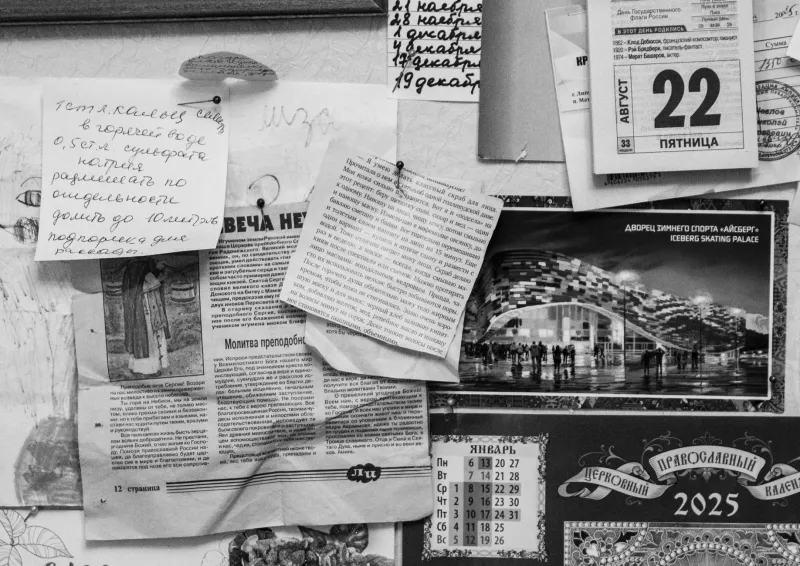
On a wet Tuesday in early December, a row of terraced houses in Sheffield did something quietly unusual. Instead of the usual tinsel in the window, one house had a small envelope pinned to the door. Inside was a handwritten card: 'Day 4: could someone walk Biscuit at 3pm while I visit my mum?' By lunchtime, a neighbour had pencilled their name on the little paper strip beside it. The next day, another envelope appeared. And another.
This is the neighbourhood advent calendar: a festive countdown with a difference. Rather than chocolate behind each door, each day holds one small, specific wish from someone nearby — a lift to an appointment, a batch of soup, a phone call, a dog walk, a hand with the recycling — and a space for a neighbour to claim it. The wishes are modest. The response is often immediate. And by Christmas Eve, a street that might otherwise have exchanged only nods has granted twenty-four tiny grants without anyone calling them that.
A Calendar Made of Practical Wishes
The format is beautifully low-tech. A sheet of card, twenty-four numbered envelopes or pockets, and a pen. Some streets hang theirs in a bus shelter or church porch. Some schools pin one to the staffroom noticeboard. Care homes have adapted the idea for residents' families and volunteers, with wishes such as 'a walk around the garden with someone who remembers the old market' or 'a favourite biscuit brought in for Tuesday coffee'. The wishes are not demands. They are invitations.
What makes it work is the specificity. 'Let me know if you need anything' is kind, but vague. 'Could you pick up a pint of milk on Thursday?' is a gift to the person asking as much as to the person answering. It gives everyone a clear, finishable task. It also spreads the load: twenty-four small asks are easier to absorb than one overwhelming appeal.
Why Small, Specific Requests Work
Community organisers say the advent format lowers the stakes. A wish list can feel like a spotlight; a calendar feels like a shared game. There is a day for everyone, and no one is expected to take part every day. You can grant one wish and still feel part of it. You can ask for one thing and not feel you have to explain why.
That matters in a season when many people are carrying quiet pressures. A calendar on a wall does not ask for a backstory. It simply asks: can anyone do this? The answer can be yes, not today, or I know someone who can. The paper strip is a gentle buffer. It lets people offer help without a long conversation, and lets people ask without a public speech.
Some calendars include a small donations pot for a local food project or warm space, but the main currency is time. In 2026, with so many festive appeals asking for money, the practical wish calendar stands out because it asks for something more ordinary: a lift, a loaf, a listen.
Where They Are Popping Up
You will find them in unlikely places. A church in Norwich set one up in its porch, with wishes from the food bank volunteers and the toddler group. A primary school in Cardiff used a calendar to pair families with small jobs — returning a borrowed costume, watering the office plants, writing a card to the crossing guard. A housing association in Greater Manchester printed a giant version for a communal lounge, with a box of blank cards beside it so residents could add a wish mid-month.
Care homes have been especially inventive. One in Dorset asked residents to name a small festive pleasure, then invited families and volunteers to make it happen: a singalong, a phone call to an old friend, a window box planted with winter pansies. The activities coordinator said it had changed the tone of December. Instead of staff trying to fill a schedule, the wishes gave everyone a reason to talk to each other.
The Gift Is the Yes, Not the Grandeur
The best versions resist the urge to turn into a performance. There is no need for a launch event or a social media countdown. A calendar that is too polished can feel like a campaign; a calendar that is slightly wonky feels like a street. Handwriting helps. So does a blunt marker pen.
It also helps to keep the wishes anonymous on the public side. A first name and a flat number are enough. No medical details, no explanations, no financial history. If someone wants to share more, they can tell the volunteer coordinator privately. The calendar's job is to hold the ask, not the story.
How to Start One Without the Awkwardness
Start small. A shared hallway, a church porch, a staffroom or a school gate is enough. Put out a stack of blank cards and a simple instruction: one small wish per day, something a neighbour could realistically do. Give people a week to add wishes, then hang the calendar. Keep a sign-up sheet beside it so no one has to announce their offer in a group chat.
Offer low-effort options. Not everyone can commit to a whole afternoon. A ten-minute phone call, a spare pint of milk, a lift to the bus stop — these are real gifts. And have a fallback. If a wish is not claimed by the end of the day, the organiser can quietly cover it or move it to the following week. No one should be left watching their card curl at the edges.
Finally, keep it open. The best calendars are not for a chosen few. They are for the person who has lived on the street for forty years and the student who moved in last month. They make room for the shy neighbour who would never knock, and the busy parent who can only offer a Saturday morning.
A Countdown That Leaves Something Behind
By 24 December, the calendar is empty and the street has changed slightly. Someone has met the person three doors down. Someone has been to a hospital appointment without worrying about the bus. Someone has eaten soup they did not have to make. The wishes are small, but the residue is not.
If you are thinking of starting one for December 2026, you do not need a committee or a budget. You need a door, a pen and the willingness to ask a modest question. The countdown does the rest.